
Research#
Research in the TEL Group is centered around understanding light-matter interactions across a wide range of time and length scales.
Main Research Interests
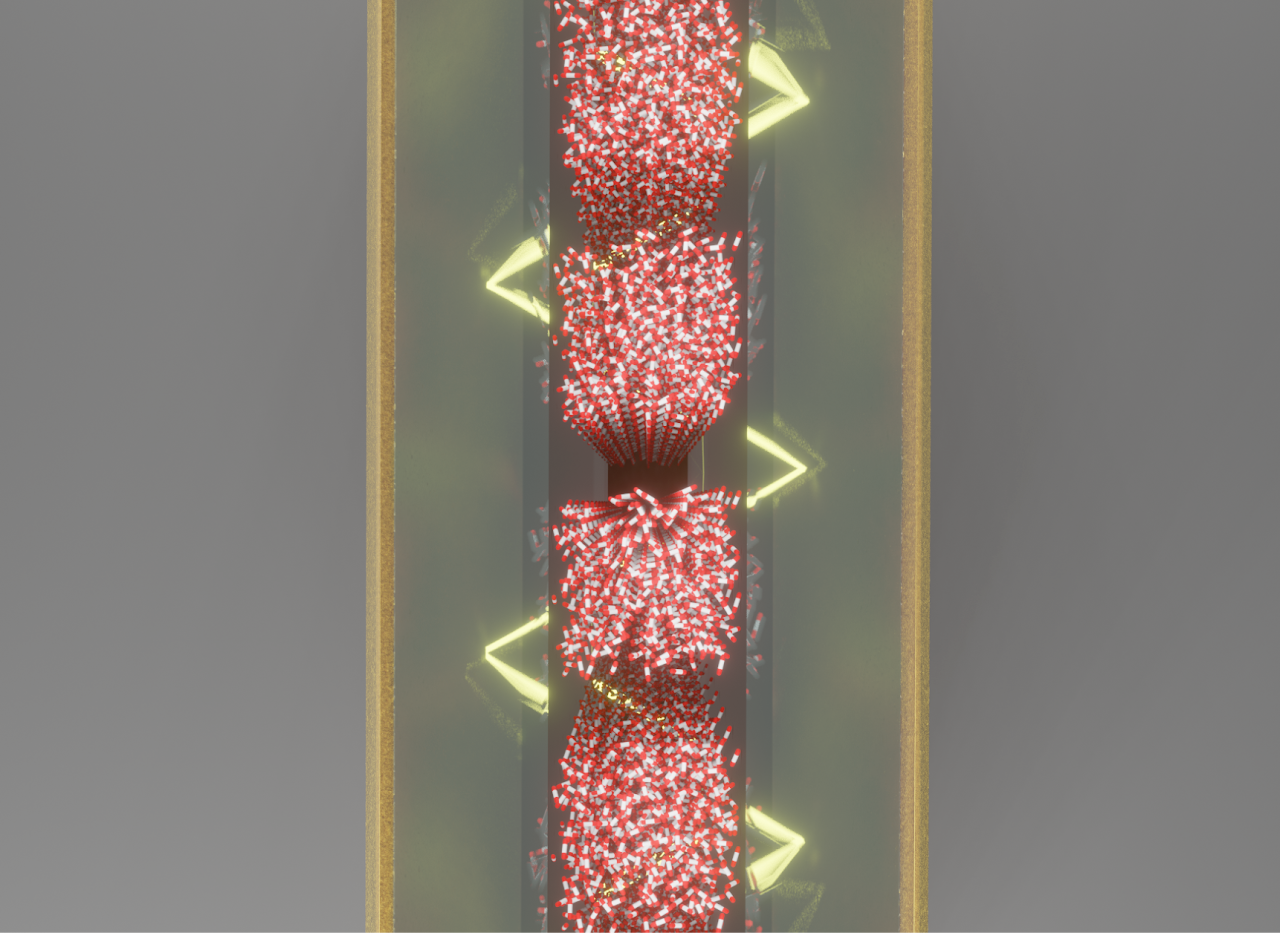
Polariton technologies
Polaritons are hybrid light-matter quasiparticles stemming from strong light-matter interactions. Can we harness these polariton states to engineer material properties or even to tune the behavior of light itself?
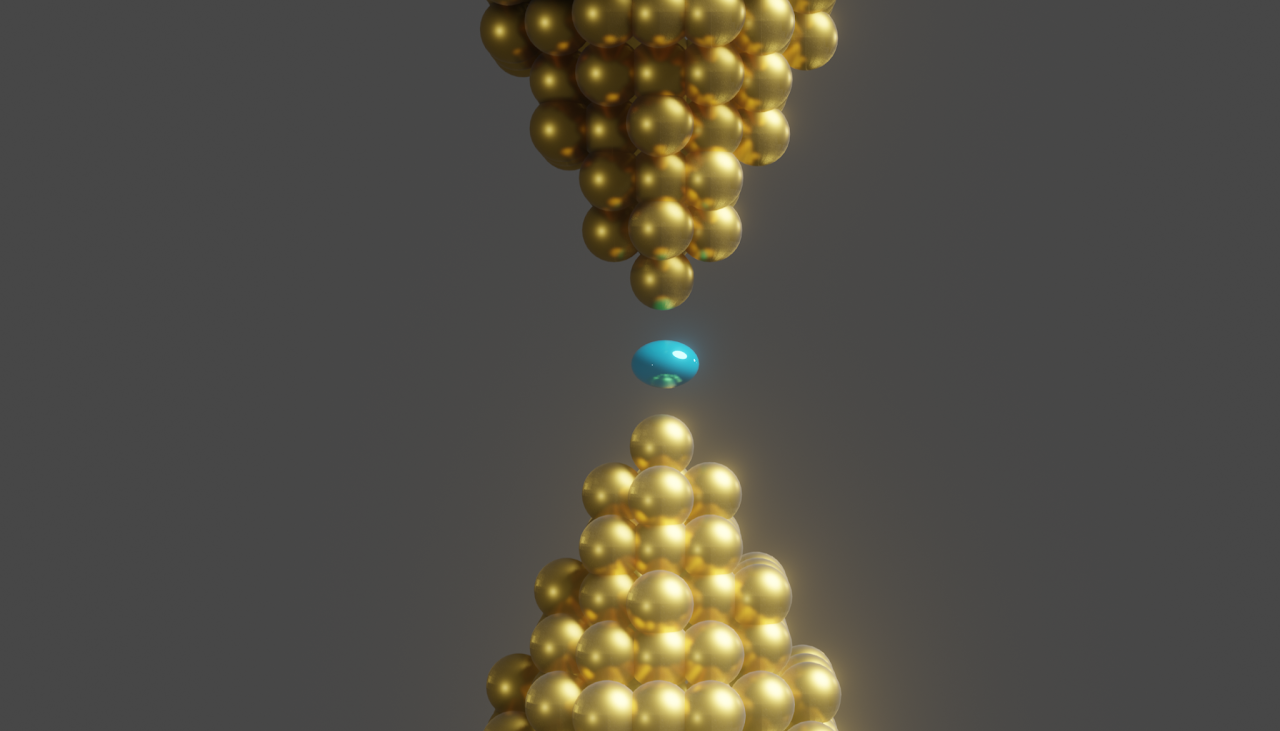
Large-scale quantum dynamics
Quantum systems are typically small. However, quantum dynamics may sometimes persist beyond atomic or molecular scales such as superfluidity. To this end, we are exploring quantum dynamics ranging from nanoscale to macroscopic systems.

AI Agents for Scientific Discovery
The rapid advancement of artificial intelligence (AI) has opened up new avenues for scientific discovery. We are particularly interested in harnessing AI agents for both experiments and simulations.